A Thorough First Clean Removes Hidden Dust, Allergens, and Stale Air Pollutants
Move-in cleaning enhances indoor air quality by removing dust, allergens, pet dander, and leftover debris before you settle into a new space. When a home sits empty or changes hands, particles build up in carpets, vents, cabinets, and on surfaces. A deep, detailed cleaning clears out those pollutants so the air feels fresher and healthier from day one.

Quick Answer: Why Air Quality Changes After a Move
Homes often collect more dust during a move than people expect. Doors stay open. Old furniture gets dragged out. Boxes bring in outside dirt. Even fresh paint and new flooring can release fumes. A professional move-in cleaning service targets these problem areas and removes buildup that affects the air you breathe.
Without a deep clean, you may notice sneezing, stale smells, or extra dust on surfaces within days. That is a sign the air still holds particles left behind.
What You Need Before Starting
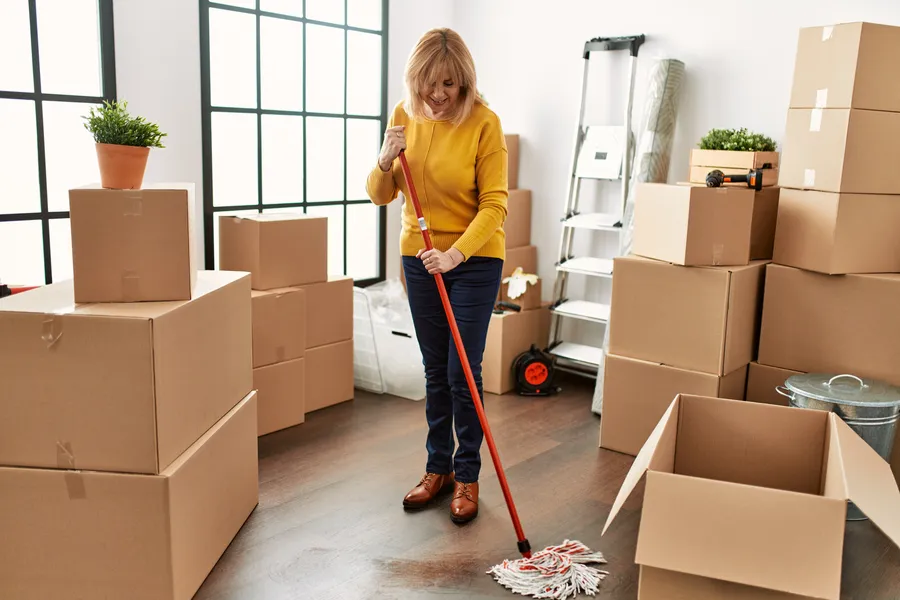
If you plan to clean before moving in, gather the right supplies. Basic surface wiping is not enough for better air quality.
- Microfiber cloths to trap dust
- HEPA-filter vacuum cleaner
- Mop and bucket
- Gentle but effective cleaning solutions
- Protective gloves and mask
It also helps to have access to water, good lighting, and enough time to clean empty rooms thoroughly. Empty spaces make it easier to reach corners and baseboards where dust collects.
Step-by-Step Process for Cleaner Air
Improving indoor air starts with a top-to-bottom approach. Follow these steps for better results:
- Dust ceilings, vents, fans, and light fixtures first.
- Wipe down walls, doors, and trim.
- Clean inside cabinets and drawers.
- Scrub kitchens and bathrooms carefully.
- Vacuum carpets with a HEPA-filter machine.
- Mop hard floors to remove fine particles.
- Replace or clean HVAC filters.
This order matters. Cleaning from high to low stops dust from falling onto areas you already cleaned. A detailed move-in cleaning service follows this same pattern to control airborne debris.
Common Mistakes That Hurt Indoor Air Quality
Some cleaning steps seem small but make a big difference in air quality.
- Skipping air vents and return covers
- Vacuuming without a HEPA filter
- Using harsh chemical sprays in closed rooms
- Ignoring carpets and padding
- Forgetting to change the HVAC filter
Strong chemical smells can linger and lower air quality. Light, low-odor products are often better. Opening windows during and after cleaning also helps flush out trapped air.
Hidden Areas That Hold Dust and Allergens
Even homes that look clean may hide buildup in spots you cannot see right away. These areas often affect air the most:
- Behind appliances
- Under sinks
- Inside closets
- Carpet edges along walls
- Bathroom exhaust fans
A move-in cleaning service focuses on these spaces. Removing hidden debris lowers the number of airborne particles that circulate once the HVAC system runs daily.
When to Call a Professional
Some homes need more than basic wiping and vacuuming. Call professionals if:
- The home sat empty for months
- Pets lived in the home
- Smoking occurred indoors
- Renovations were recently completed
- You notice musty or stale odors
A trained team uses commercial-grade tools and proven cleaning methods. They clean deeper into carpet fibers and reach high vents safely. If your property falls under category services, bundling tasks together can also save time and help create a fully refreshed living space.
Professional cleaning also helps families with allergies or asthma start fresh in their new home. Cleaner surfaces mean fewer particles floating in the air each day.
Start Fresh in Your New Space
Cleaner air begins before the first box is unpacked. In Atlanta, GA, many homes gather dust from changing seasons and normal wear. At B & J Cleaning Services, we provide detailed move-in cleaning service solutions designed to clear the air and create a healthier home. Call us at (470) 708-3933 to schedule your cleaning and let us help you breathe easier from the moment you move in.